
Policy Objective | Develop an energy supply that is smart, affordable, reliable, safe and environmentally sustainable.
In short:
Develop an energy supply that is smart, affordable, reliable, safe and environmentally sustainable
- Empower Australian consumers to choose and use distributed (non-centralised) energy systems
- Progress towards using a predominantly renewable energy supply
- Implement domestic energy reservation policies for relevant resources, including natural gas
Related policies
Policy Objective
Develop an energy supply that is smart, affordable, reliable, safe and environmentally sustainable.
Policy Actions (Federal & State)
To support this objective, Sustainable Australia Party will:
- Empower Australian consumers to achieve greater energy efficiency, including through the provision of consumer-friendly smart meters providing real time energy usage information
- Progress towards using a predominantly renewable energy supply (also see Environment policy)
- Avoid habitats of all threatened, vulnerable and endangered native species (also see Animals & Biodiversity policy)
- Support ongoing research and development into renewable energy technologies and energy efficiency initiatives (also see Environment policy)
- Support further investigation and/or investment into the research and development of more environmentally friendly energy storage systems, including batteries, pumped hydroelectric storage, hydrogen and thermal
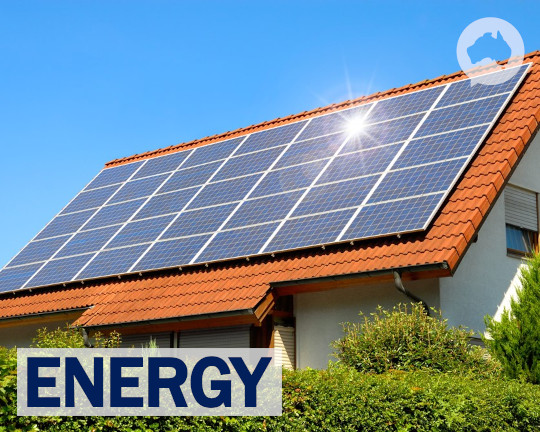
- Empower Australian consumers to choose and use distributed (non-centralised) energy systems including solar photovoltaic (PV), micro wind and ground source heat pumps, supported by battery storage
- Implement a ban on all new coal mines in Australia
- Implement a ban on all new fracking, including for coal seam gas, until a thorough and independent review of fugitive emissions and groundwater contamination is completed
- Implement domestic energy reservation policies for relevant resources, including natural gas (also see Finite & Non-renewable Resources policy)
"Australia has been 'uniquely stupid' in allowing companies to dig up resources that belong to the Australian people and sell it overseas, without even ensuring there would be enough gas to cover our own use." News.com.au
"In 2002... John Howard called a press conference to announce, with the widest grin he could manage... Australia's mining interests had pulled off a $25 billion deal to supply China with liquefied natural gas.... The Labor administrations of Kevin Rudd and Julia Gillard were only too pleased to keep announcing huge exports of LNG to China, Japan and South Korea... All along, not one of these governments ever thought to require exporters to set aside part of their bounty for the use of Australian consumers. The whole thing was up to the market." SMH
- Aspire towards a future without domestic nuclear fission power(1), while:
- Engaging in responsible management of Australian-generated low and intermediate-level medical etc radioactive waste; and
- Supporting appropriate research and development into fusion energy(2)
- Consider all energy production options to help deliver our climate policy targets and ultimately a 21st century emissions-free Australian energy supply (also see Environment policy)
- Increase the onshore reserves of petroleum to ensure national security of supply
- Return energy utilities to public hands where appropriate (also see Privatisation & Public Assets policy)
- Slow population growth then stabilise Australia’s population size as soon as practicable (also see Population & Immigration (Australia) policy)
Footnotes:
- Whilst SAP is not ideologically opposed to nuclear, we believe it is not the ideal way forward. If we slow population growth then stabilise Australia’s population size ASAP (i.e. the number of energy consumers) and reserve much more of our natural gas while transitioning to renewable energy, there will be no need for nuclear power plants and the major waste and other challenges they present.
- Fusion is where atoms of hydrogen isotopes are joined (fused) at 100 million degrees Celsius to form helium. It's the reaction inside stars and is safer than fission nuclear power because the fuel is water, not uranium, and the waste is helium not plutonium.